The History of the World Cup
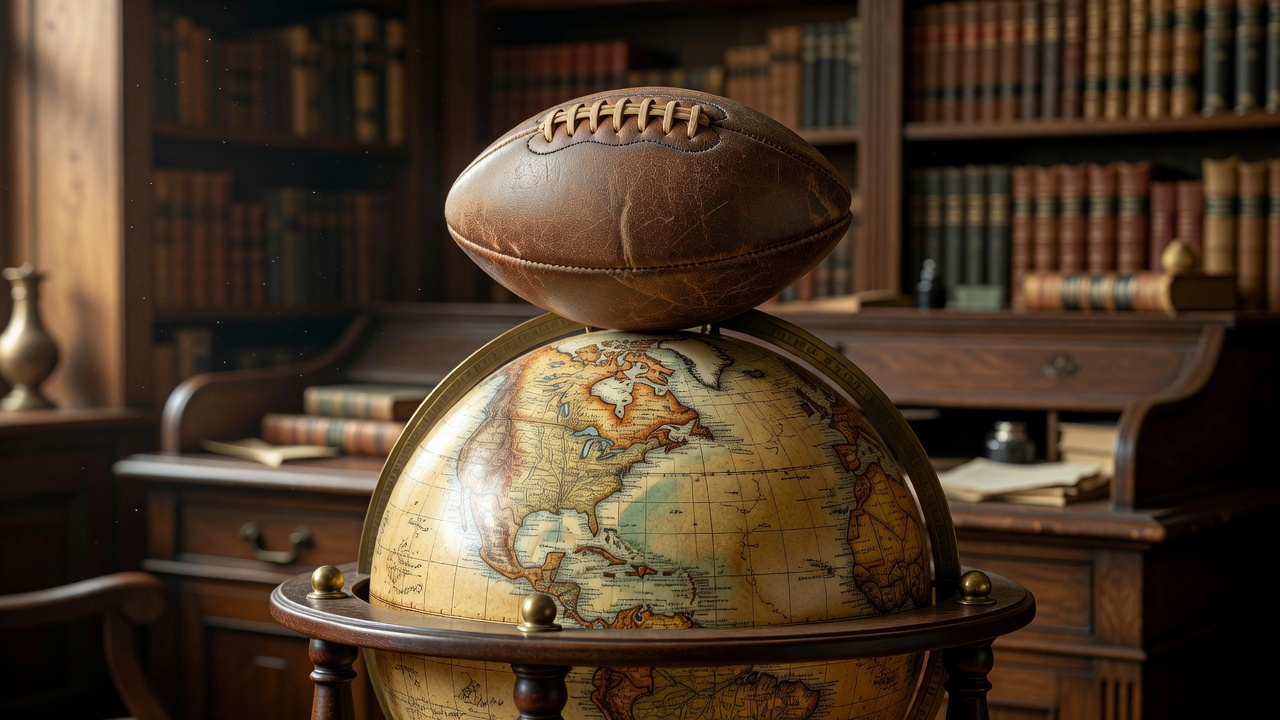
The FIFA World Cup stands unchallenged as the most widely viewed and followed sporting event in the world, routinely surpassing even the Olympic Games in global viewership. Every four years, it briefly halts national economies, suspends geopolitical tensions, and unites billions in a shared cultural narrative. The history of the tournament is a mirror reflecting the evolution of the sport, international travel, and global media broadcasting.
Humble Origins: 1930
The inaugural tournament, held in Uruguay in 1930, was a vastly different spectacle from the modern iterations. Driven by the vision of FIFA President Jules Rimet, the competition faced immense logistical hurdles. Due to the lengthy and expensive transatlantic boat journey required, only four European nations—France, Belgium, Yugoslavia, and Romania—agreed to participate, joining teams from South and North America.
Played entirely in the capital city of Montevideo, the tournament culminated in the host nation, Uruguay, defeating Argentina to become the first-ever world champions. Despite the limited field, the commercial and cultural success of the event proved that a standalone international football championship was viable.
Post-War Resurgence and Television
Following a 12-year hiatus caused by the Second World War, the World Cup returned in 1950 in Brazil. This tournament is infamous for the "Maracanazo," the staggering upset where Uruguay defeated highly favored Brazil on home soil, deeply embedding the sport into the national psyche of both countries.
The true turning point for the tournament's global reach arrived in 1954 in Switzerland, the first World Cup to be televised. By 1970 in Mexico, the tournament was broadcast in vivid color. The 1970 iteration is widely considered a watershed moment; fans worldwide watched Pelé and the iconic Brazilian squad dismantle Italy in the final, cementing football as a visually spectacular television product. The introduction of yellow and red cards, as well as tactical substitutions, further modernized the spectacle.
Evolution of Formats and Expansion
As football's popularity surged across Africa, Asia, and North America, the format of the tournament expanded to accommodate a truly global representation.
- 16 Teams: The standard format for decades, ensuring elite competition but limiting participation largely to Europe and South America.
- 24 Teams (1982-1994): Introduced in Spain in 1982, this allowed for greater global inclusion but necessitated complex secondary group stages and the controversial advancement of third-place teams.
- 32 Teams (1998-2022): Debuting in France, this format provided mathematical symmetry—eight groups of four, with the top two advancing to a clean, 16-team knockout bracket. It is often lauded as the perfect structural balance of the tournament.
The Modern Era: Commercialization and Future Formats
The modern World Cup is an economic behemoth, generating billions in broadcasting rights, corporate sponsorships, and tourism revenue. Host nations invest heavily in infrastructure, viewing the tournament as a platform for nation-building and soft-power diplomacy.
Looking ahead, the tournament continues to evolve. The expansion to a massive 48-team format represents a significant shift, prioritizing global participation and emerging markets over concentrated elite competition. While purists may debate the dilution of quality, this expansion ensures that more nations will experience the unique, unifying jubilation of World Cup qualification, cementing the tournament's status as the ultimate global cultural phenomenon.