Elite Training Methodologies
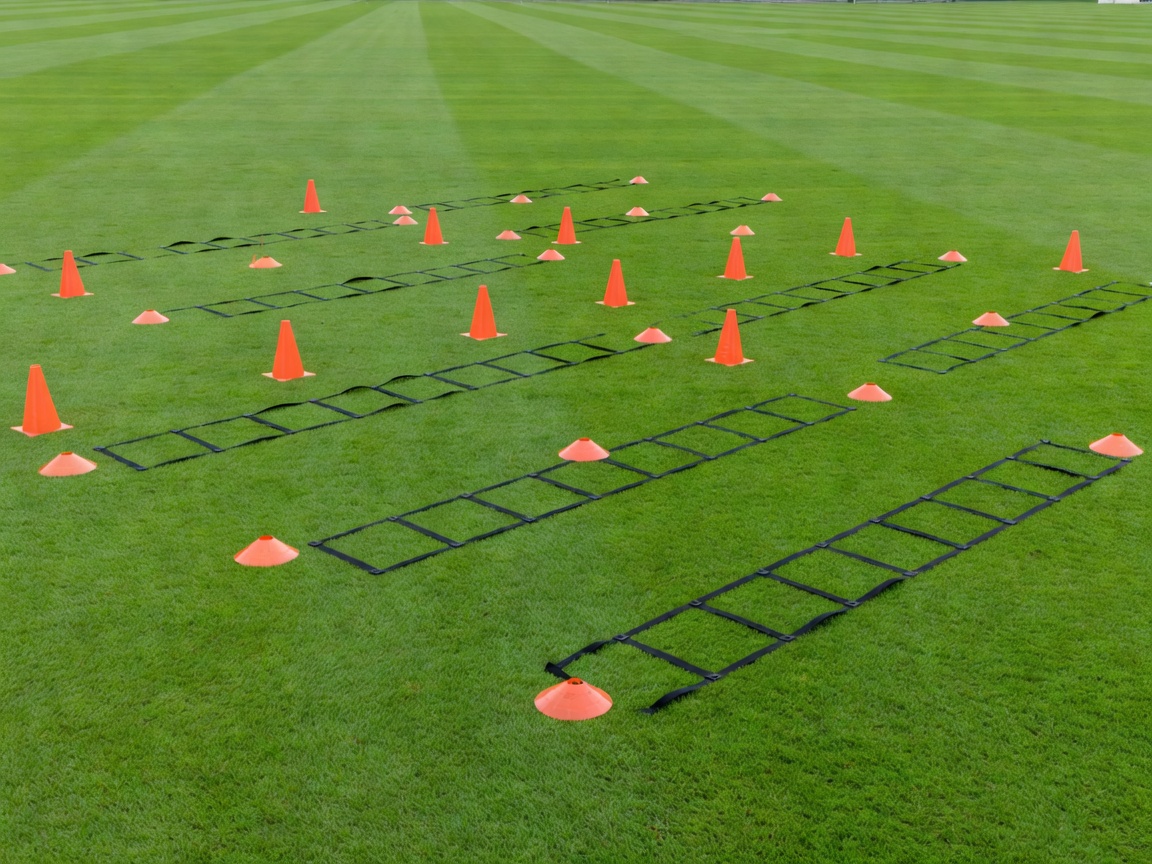
The gap between a talented amateur and an elite professional footballer is forged on the training ground. The days of endless laps around the pitch and isolated fitness drills have been entirely replaced by holistic, scientifically-driven training methodologies. Modern coaching staffs are multidisciplinary teams consisting of tacticians, sports scientists, data analysts, and psychologists, all working to optimize human performance.
Tactical Periodization
Originating in Portugal and popularized by some of the game's most successful managers, Tactical Periodization is arguably the most dominant training methodology in modern football. Unlike traditional models that separate physical fitness, technical skill, and tactical understanding into distinct phases of the season, Tactical Periodization dictates that all elements must be trained simultaneously, with the tactical game model acting as the focal point.
In this framework, every drill, no matter how small, is designed to replicate specific game situations outlined in the manager's philosophy. For example, if a team's game model relies on aggressive high pressing, their conditioning is achieved through small-sided games (SSGs) that require short, intense sprints to win the ball back, rather than running track sprints without a ball. The physical load is manipulated daily (the "morphocycle") to ensure players peak precisely on matchday.
The Rondo: More Than a Warm-up
To the untrained eye, a rondo appears to be a simple, lighthearted game of "piggy in the middle." In reality, it is a sophisticated cognitive and technical exercise foundational to possession-based football.
A standard 4v2 or 5v2 rondo forces players to operate in restricted spaces under intense pressure. It develops a player's first touch, body shape, spatial awareness, and passing speed. Crucially, it trains cognitive processing—players must scan their environment and make passing decisions before receiving the ball. Furthermore, it teaches the defensive players how to press in pairs and cut off passing lanes efficiently. The rondo is the micro-environment that scales up to the macro-tactics of the 11v11 game.
Sports Science and Load Management
The physical demands of professional football have skyrocketed. Players are sprinting faster and covering more high-intensity distance than ever before. To mitigate the resultant risk of muscular injuries, sports science departments meticulously manage player load.
Using GPS trackers and heart rate monitors, analysts measure metrics such as "High Metabolic Load Distance" and acceleration profiles during every session. If a player exceeds their optimal threshold, their training volume is immediately reduced. Subjective data is also collected; players complete daily wellness questionnaires regarding sleep quality, muscle soreness, and stress levels. This combination of objective data and subjective feedback allows coaches to tailor individual training programs.
Recovery Protocols
In a congested fixture schedule where teams play every three to four days, the ability to recover quickly is a significant competitive advantage. Recovery methodologies are just as critical as the training itself.
- Cryotherapy and Ice Baths: Exposure to extreme cold constricts blood vessels and decreases metabolic activity, reducing inflammation and muscle soreness after intense matches.
- Active Recovery: Light aerobic work, such as cycling or pool sessions, promotes blood flow to flush metabolic waste products (like lactic acid) from the muscles without causing further micro-tears.
- Nutrition and Hydration: Precisely timed intake of carbohydrates to replenish glycogen stores, alongside high-quality proteins for muscle repair, is strictly monitored. Fluid loss is calculated through weigh-ins before and after sessions to prescribe tailored rehydration plans.
Through the synthesis of tactical theory and biological science, modern football training ensures that athletes step onto the pitch not just physically conditioned, but tactically fluent and cognitively sharp.