Iconic Stadiums: Architecture and Atmosphere
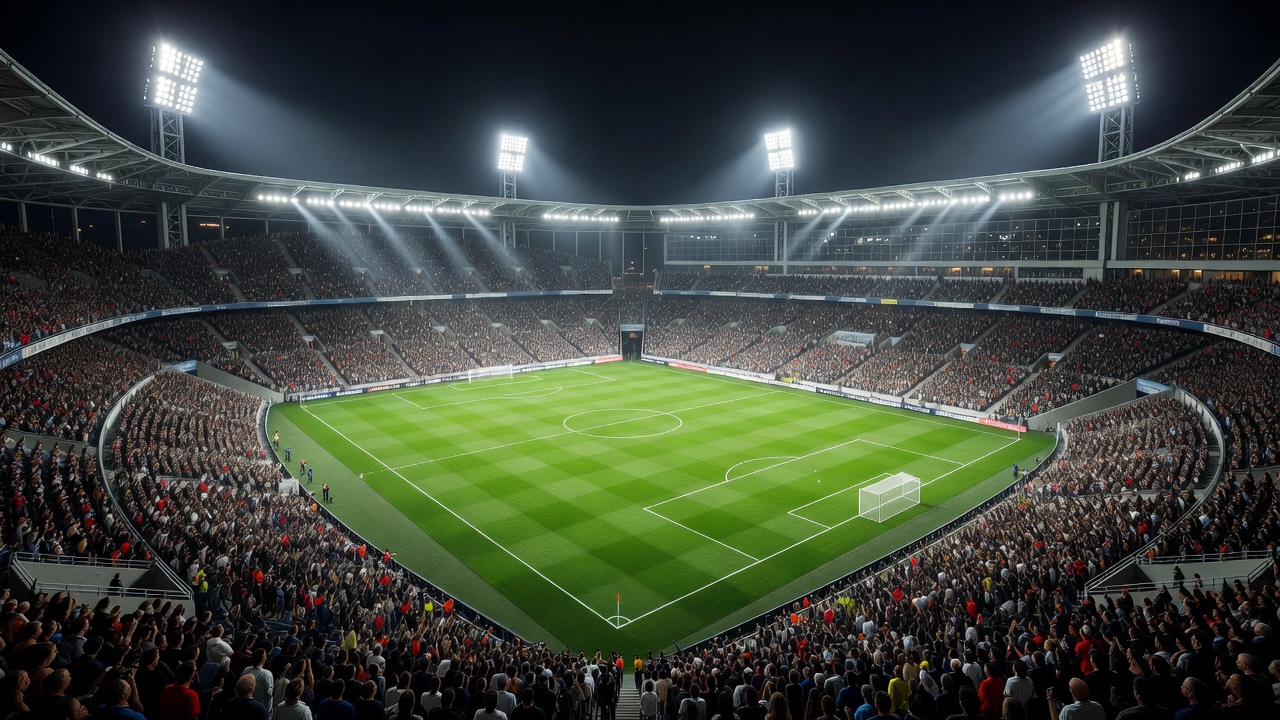
A football stadium is much more than a venue composed of concrete, steel, and grass. It is the beating heart of a local community, a fortress for the home team, and a cathedral for the sport's most devoted followers. The architectural design of a stadium directly influences its acoustics, sightlines, and intimidating atmosphere, making the grounds themselves critical factors in the outcome of matches.
The Importance of Acoustic Design
The roar of a crowd is one of the most viscerally powerful elements of live football. Modern stadium architecture heavily emphasizes acoustic engineering to capture, amplify, and reflect crowd noise back down onto the pitch. Sweeping, continuous roof structures composed of sound-reflecting materials ensure that chants and songs are trapped within the bowl rather than dissipating into the sky.
Conversely, older, classic stadiums achieved incredible atmospheres through their steep, vertical stands. By positioning fans directly on top of the touchlines with minimal run-off areas, these traditional grounds create a claustrophobic, intimidating environment for visiting players, proving that sometimes raw proximity is more effective than modern engineering.
Cathedrals of the Game
Certain stadiums have transcended their role as mere sporting venues to become globally recognized monuments to football history.
The Maracanã (Rio de Janeiro)
Few grounds hold the mythological status of the Maracanã. Originally built for the 1950 World Cup, it once held crowds approaching 200,000 spectators—a swirling, chaotic sea of humanity. While modern safety regulations have significantly reduced its capacity and altered its raw bowl structure, the sweeping circular roof and its location set against the dramatic topography of Rio de Janeiro ensure it remains an enduring symbol of Brazilian footballing flair.
San Siro (Milan)
Officially named the Stadio Giuseppe Meazza, the San Siro is a masterpiece of brutalist architecture. Its defining features are the enormous cylindrical concrete towers that house the spiraling walkways, giving the structure a fortress-like exterior. Inside, the impossibly steep tiers create a vertical wall of noise, particularly during the fiercely contested Derby della Madonnina. It is a monument to industrial, imposing Italian design.
Camp Nou (Barcelona)
As the largest stadium in Europe, Camp Nou is less a venue and more an open-air amphitheater. Its vast, sweeping tiers provide an immense canvas for fan mosaics, known as tifos. The sheer scale of the ground can be overwhelming; players often speak of the psychological weight of stepping onto the pitch and looking up at an unbroken wall of nearly 100,000 spectators descending from the Barcelona sky.
Wembley (London)
While the original stadium, with its famous Twin Towers, was demolished, the new Wembley remains the spiritual home of English football. Its defining architectural feature is the 133-meter-tall steel arch that supports the northern roof and illuminates the London skyline on matchdays. The pristine facilities and massive capacity make it the premier destination for domestic cup finals and international spectacles.
The Modern Multi-Purpose Era
As the commercial realities of modern sports evolve, stadium design has shifted away from the single-use model. Contemporary builds prioritize versatility, incorporating retractable pitches that slide away to reveal artificial turf or concrete floors suitable for NFL games, concerts, and boxing matches without damaging the delicate football playing surface. Furthermore, the expansion of premium hospitality suites, high-end retail, and integrated public transport hubs ensures these stadiums function as 365-day commercial enterprises rather than venues that lie dormant between matchdays.
Despite these commercial advancements, the core requirement of any great stadium remains unchanged: it must facilitate a communal experience, turning thousands of individual voices into a single, unified force capable of carrying a team to victory.